
Celebrating workers’ dedication to public safety
USJE’s National Public Safety Awards recognize and celebrate the outstanding work undertaken by our members across the country. Too often, the crucial work of USJE members happens behind the scenes, out of sight of many Canadians who depend on the commitment and dedication of federal public safety and justice employees to keep them safe.
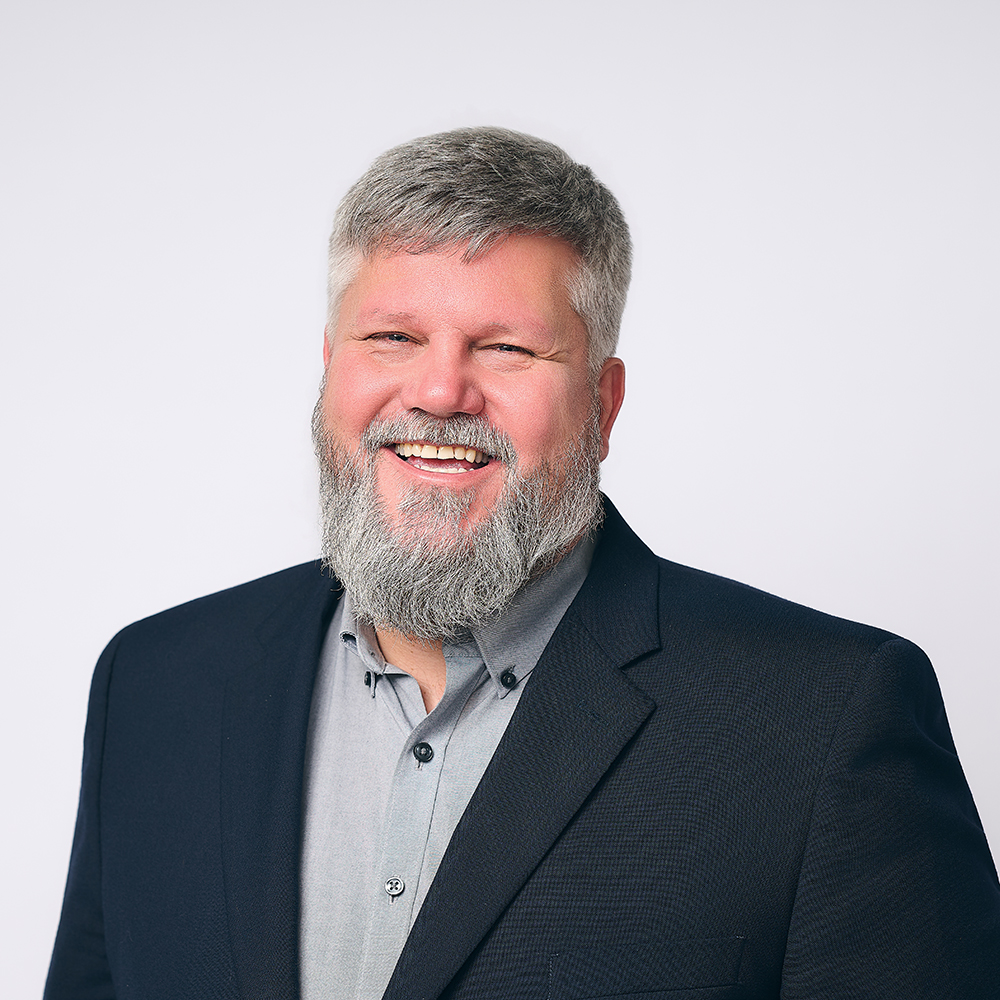
Mike Ashman has played a key role in strengthening Canada’s emergency management and disaster response efforts through his work at the Government Operations Centre (GOC) for over ten years.
Mike joined Public Safety Canada in 2015 and has served in a variety of roles at the GOC, which coordinates the federal government’s response to national emergencies. Today, he serves as Acting Chief of the Cyclical Event Team, a small group responsible for monitoring and preparing for seasonal hazards such as floods, wildfires, and hurricanes. Working closely with partners such as Natural Resources Canada, Environment and Climate Change Canada, the Canadian Hurricane Centre, as well as the provinces and territories, his team analyzes risks across the country and ensures the federal government is prepared for the seasons ahead.
Mike’s path into emergency management began after completing a master’s degree in physics. He initially worked with the National Research Council and, subsequently joined Transport Canada and later moved into the Disaster Financial Assistance Arrangements (DFAA) program within Public Safety Canada.
At the Centre, Mike has witnessed how the nature of emergency management has evolved. In order to adapt by expanding operations and strengthening coordination across governments.
Throughout his career, Mike has been involved in several major national responses including –
- the resettlement of more than 25,000 Syrian refugees,
- the coordination of the federal response efforts during the COVID-19 pandemic
- supporting the management of asylum seekers
- the 2023 Yellowknife wildfire evacuation
- the Major Events team during preparations for the G7 Summit.
What Mike values most about the work is the people. Emergency management requires long hours and sustained effort during crises, and he credits the dedication of colleagues for making that work possible. Where emergency management once operated in silos, there is now a growing recognition that public safety depends on strong partnerships across the entire federal family.
After more than a decade at the GOC and a long career in the federal public service, Mike plans to retire this August and hopes to spend more time with his wife. With two sons nearing major life milestones—one entering university and the other finishing high school—he hopes to spend more time with his family after years of demanding work that often required long hours and travel.
Looking back on his career, he remains proud of the dedication he has witnessed across Canada’s emergency management community. Whether responding to disasters, coordinating national operations, or working behind the scenes to prepare for the next crisis, Mike believes the strength of Canada’s public safety system lies in the commitment of the people who serve within it.
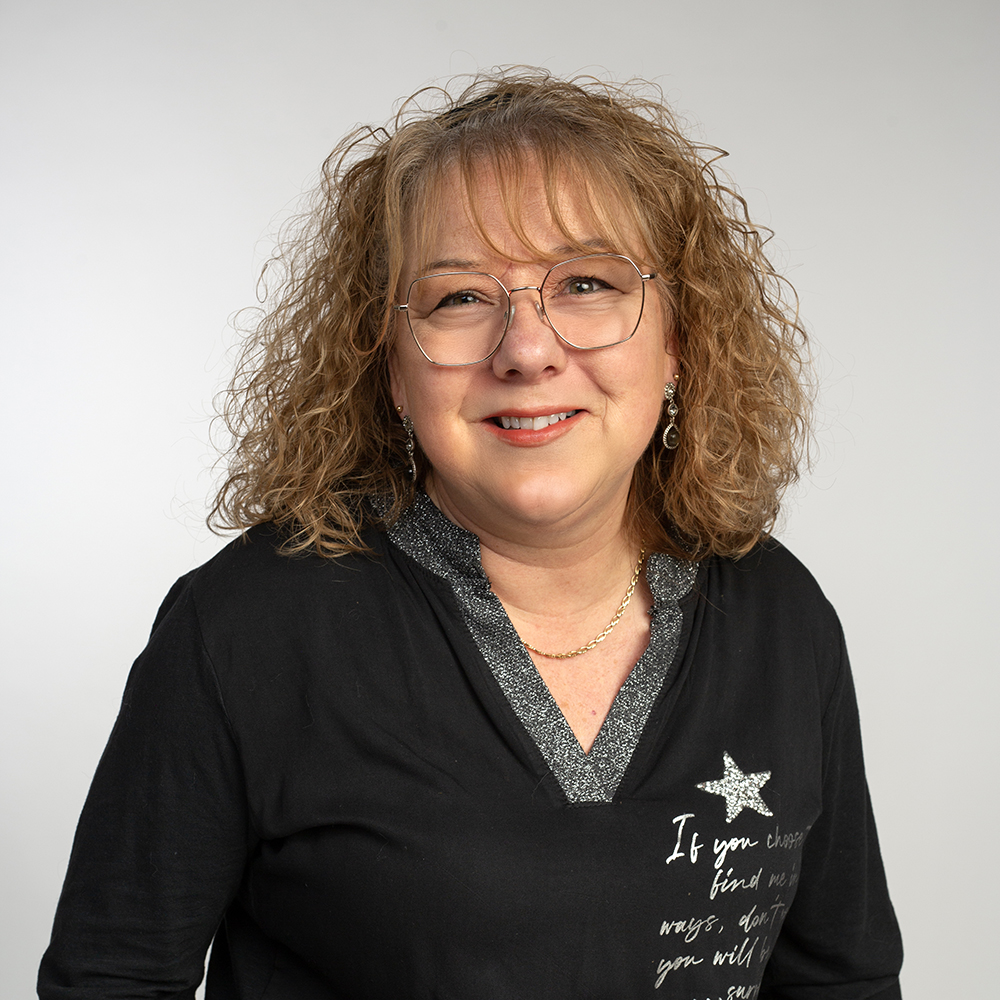
For nearly 27 years, Chantal Blier has carried out her duties with the Correctional Service of Canada with commitment, professionalism and humanity. After passing all the required exams, she completed her three months of full-time training in corrections at the Staff College in Laval. She graduated in June 1999 and started her career at the Cowansville Establishment as a Correctional Officer 1, assigned to static security.
Ten months later, Chantal was promoted to Correctional Officer 2, working in the inmate living quarters and responsible for a workload of inmates. This assignment gave her the opportunity to develop a human, individualized approach, particularly when accompanying prisoners on temporary escorted absences.
For nearly ten years, Chantal had been actively involved in the Employee Assistance Program (EAP) and the Critical Incident Stress Management (CISM) team, helping to support her colleagues in difficult moments.
In 2006, she won a competition for the position of Social Programs Officer. While working full-time, she attended university part-time, obtaining a bachelor’s degree by “stacking” certificates in psychology of human relations, psychosocial intervention and mental health. This degree enabled Chantal, in 2008, to rise to the position of Correctional Programs Officer, a position that she still holds with passion.
When the Programs Department closed in 2020 due to the COVID-19 pandemic, Chantal and three colleagues took over coordinating a team training offenders assigned to maintenance, establishing preventive measures and tracking statistics. Over the years, she has also been called on to help out in various sectors during emergencies, whether in the kitchen, the laundry or preparing the inmates canteen.
In 2023, Chantal received the Corrections Exemplary Services Medal in recognition of her constant commitment.
In recent years, she’s helped train new employees and led programs conjointly with them, encouraging a transfer of expertise and development of the next generation. She is known for her ease in creating ties, especially with those younger than she. Chantal also participates actively in the life of her department, organizing snacks, with the surpluses used to celebrate departures or maternity leaves.
Today, Chantal is getting ready to take a well-deserved retirement from the Correctional Service of Canada. She plans to start a small business providing occasional services in the community, and she will certainly turn her experience, sense of responsibility and human approach to good use in this new project.
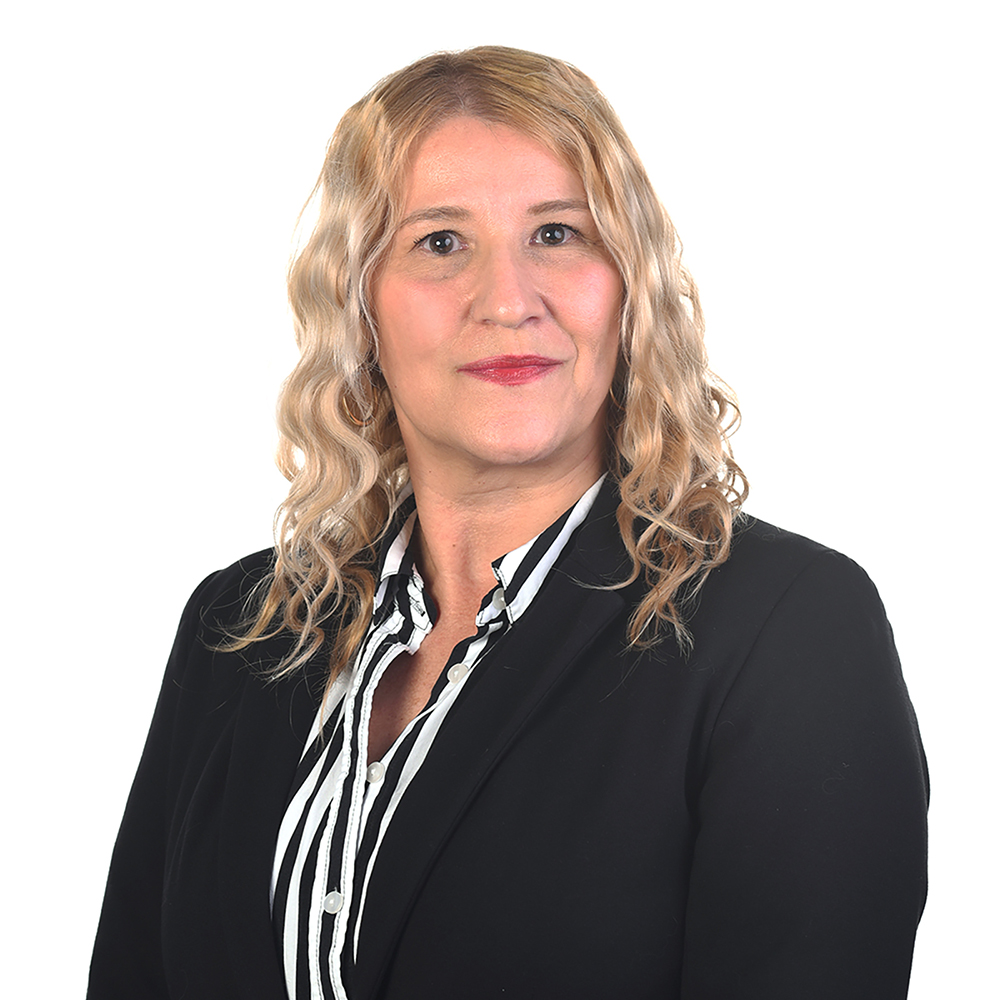
Francine is an essential resource at RCMP “C” Division. With over 26 years in the public service, 21 of them with the RCMP, she is known for her expertise, her collaboration and her commitment to teamwork.
Francine plays a key role in supporting police investigations through the use of the INTELEX system. Her work consists of processing information requests from investigators in various sectors and provinces, thus providing them with essential information for beginning or furthering their research. She collaborates regularly with many external partners, such as police departments and public and private organizations, facilitating access to the information needed for investigations.
Thanks to her central position, she has in-depth knowledge of the cases and partners with which the unit works. This expertise makes her an essential reference for her colleagues. Some of them describe her as “C” Division’s “Rolodex” because of how well she knows the resources, contacts and processes that keep investigations progressing efficiently.
Over the years, Francine has also become a mentor to new employees. She’s always available and generous with her time, coaching newbies and willingly sharing her knowledge with police officers, analysts, assistant investigators and administrative staff.
She has often shown her leadership skills when asked to coordinate the team in the absence of a supervisor. On these occasions, she managed priorities, supported her colleagues and ensured continuity of operations calmly and efficiently, demonstrating the trust that entire unit has in her.
Francine says that what makes her work especially motivating is that each day brings new challenges and new collaborations. She especially values the collective aspect of the work and the opportunity to help her colleagues. She has been passionate about the policing environment and criminal investigations for a long time, and she finds in her role a concrete way to contribute to justice and equity. Outside of work, Francine places great importance on her family. Mother to three sports-minded sons, fond grandmother of five grandchildren, and accompanied by her dog Molly, she succeeds in balancing her family life with extraordinary professional commitment.
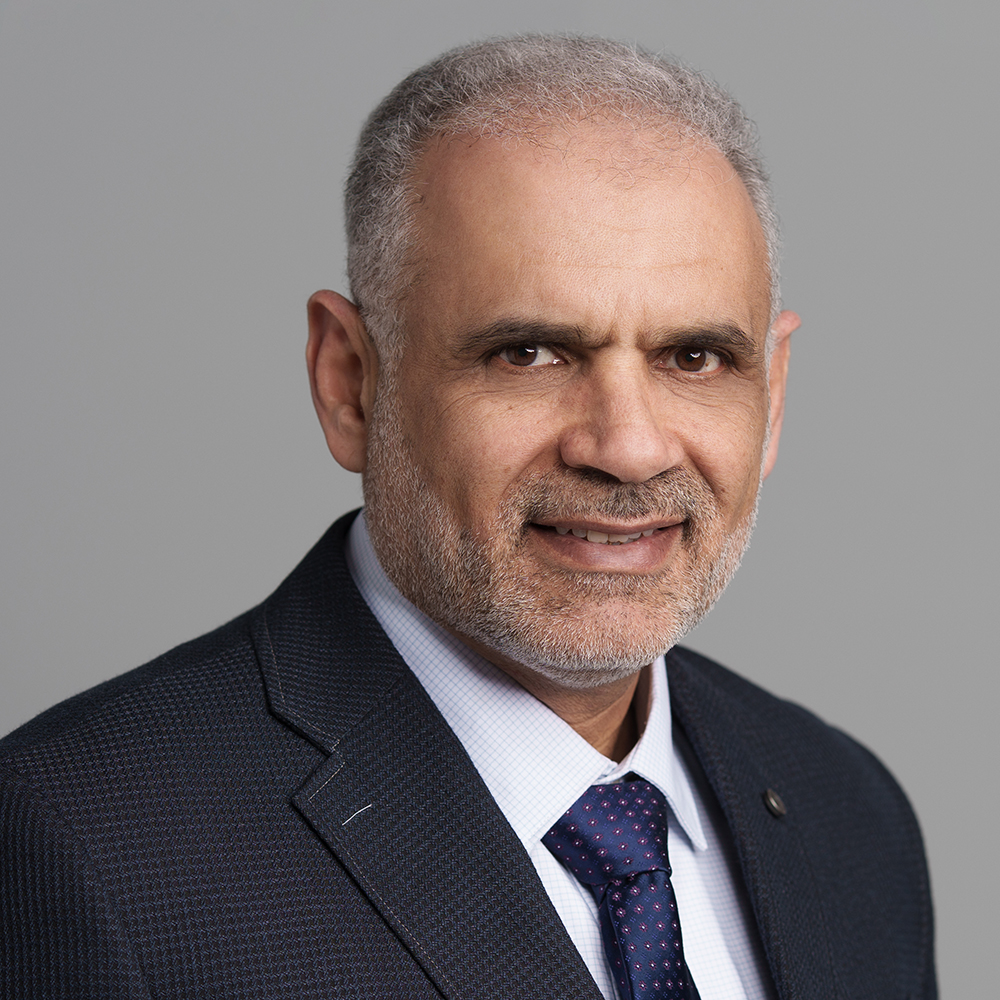
For more than fourteen years, Hatem Hammad has worked as an educator with the Correctional Service of Canada at Bowden Institution, helping incarcerated individuals gain the skills and confidence needed to rebuild their lives.
Hatem joined the institution in October 2011 as a teacher and has remained there ever since, dedicating his career to correctional education. During this time, he also served in acting roles as a parole officer, both at Bowden and at the Calgary Community Parole Office, for more than two years. These experiences gave him additional insight into the full continuum of rehabilitation—from education within institutions to reintegration in the community.
Throughout his career, he has been guided by a strong belief in the transformative powers of education. Many of the individuals he works with arrive in custody without a high school diploma and often feel discouraged about their future. By helping them build foundational skills and develop new goals, he strives to show them that there are alternative paths available.
One example that stands out involved an incarcerated individual who initially resisted returning to school. The man had been involved in drug trafficking and believed that education had no place in his future. After several conversations about the broader impact of his actions—including the impact they could have on families and on his own relationship with his daughter—the individual began reconsidering his path. With support and guidance, he completed the requirements for his high school diploma on the very day he was released from the institution. Staff celebrated the milestone with a graduation cap and gown as he walked out the door. Later follow-up confirmed that he had reunited with his daughter and entered an apprenticeship program—a success story that continues to reinforce the value of correctional education.
In fact, Hatem’s commitment to helping others began long before he entered corrections. Early in his career, he worked with individuals with disabilities and special needs in the rehabilitation field. Over time, he moved into education roles within universities and colleges, helping students pursue academic opportunities. While the work was rewarding, he ultimately found that he could make an even greater impact by working in rehabilitation and correctional education, where the need for support and opportunity is often greatest.
His own life journey has also shaped his perspective. He immigrated to Canada with his wife in 1991, beginning their life in Canada together from scratch. After completing additional studies in rehabilitation and education—including a master’s degree in education—he built a career focused on helping others overcome barriers and achieve their potential.
Outside of his professional work, he remains deeply connected to his family and community. He and his wife have raised four children—three daughters and a son—and are now proud grandparents to eight grandchildren.
He also pursues a number of personal interests that reflect his lifelong curiosity and dedication to learning. A self-taught musician, he plays both the violin and a traditional Middle Eastern instrument. During the summer months, he maintains several beehives, an activity he values for its environmental and agricultural contributions.
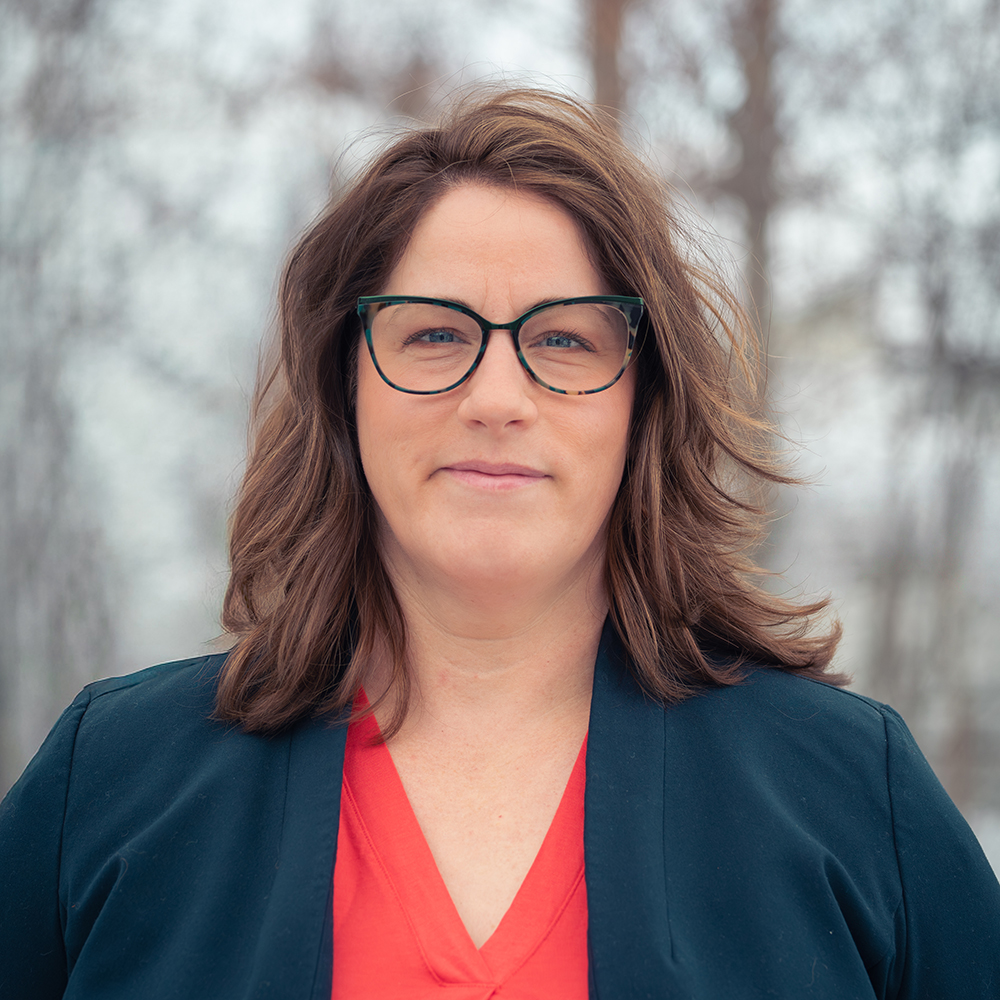
Kristy McDougall began her career with the RCMP as a Detachment Services Assistant (DSA) in La Ronge, Saskatchewan, a role she held for more than twenty-one years. Air Ronge — her home community — has always been central to her work. What began as a short move to the area for a temporary opportunity quickly turned into a long-term career supporting policing operations in northern Saskatchewan.
As a DSA, Kristy served as a critical operational support resource for frontline officers. In rural and remote communities where officers often arrive from across the country, DSAs provide essential local knowledge, build relationships with community partners, and help ensure officers can respond effectively to complex situations.
On any given day, her work could involve coordinating resources after a major incident, connecting with local leadership, assisting with court and investigative processes, or helping ensure the wellbeing of staff following traumatic events.
In recent years, she stepped into a leadership role as part of the RCMP’s Detachment Services Assistant District Management Team pilot project in Saskatchewan’s “F” Division. Alongside a colleague, she helped launch the initiative in 2022 to identify the long-standing issues affecting DSAs across Saskatchewan and develop solutions to address them.
Over the course of the pilot project, Kristy and her counterpart worked closely with 113 detachments across Saskatchewan to address key challenges related to training, operational consistency, mental health support, and workload management.
The initiative has contributed to a significant cultural shift within the division by providing DSAs with clearer guidance, consistent answers, and a stronger network of support. For many employees, it has meant having someone they can turn to when challenges arise. In recognition of their leadership and impact, Kristy and her counterpart received the Saskatchewan Association of Chiefs of Police Leadership Award in 2024 for their positive impact on policing operations and public safety.
Throughout her career, Kristy has also remained deeply involved in her community. She previously served as a village councillor and deputy mayor of Air Ronge. Her volunteer work speaks for itself—as chair of Northern Sport Culture and Recreation, sitting on the Kidsport board, volunteering with the SJHL La Ronge Ice Wolves as a billet parent, and helping establish organizations such as Northern Animal Rescue and the Teen Girls Wellness Group.
She is also the recipient of the Queen Elizabeth II Platinum Jubilee Medal and other regional leadership awards. Kristy credits the support of her family—including her husband and daughter—as well as the encouragement she has received from colleagues and her union for helping her navigate the challenges and responsibilities of her career.

What began as a chance job posting ultimately grew into nearly two decades of dedicated service to public safety.
In 2007, after working in the non-profit sector as a counsellor supporting people with disabilities, Michelle Martin was browsing job postings when she came across an advertisement for a “Primary Worker” position at Nova Institution for Women in Truro, Nova Scotia. The required training was a grueling 16-week-long course but the leap of faith paid off, as Michelle graduated class valedictorian in 2007! She began her first shift the very next day in maximum-security segregation at Nova Institution for Women.
Michelle spent the next decade working within the Nova Institution for Women, gaining extensive frontline experience and developing a deep understanding of correctional work in the federal system. In 2017, Michelle was offered a term position as a Parole Officer and subsequently became a permanent employee, transitioning into community corrections—a role she continues to hold today.
Beyond her daily responsibilities, Michelle has made significant contributions to training and crisis preparedness within the Correctional Service of Canada. She is one of only five national trainers for Crisis Negotiation, helping prepare staff across the country to respond to some of the most high-risk situations in federal corrections, including riots and hostage situations.
The program involves a rigorous selection process followed by eight days of intensive in-person training. As a trainer, she takes this responsibility seriously—ensuring that every participant meets the standard required to safely manage critical incidents within institutions.
Nearly twenty years after first entering federal corrections, Michelle still finds meaning in the work. One case in particular stands out: a federal offender she supervised who had extensive gang involvement was able to turn his life around and regain custody of his daughter. Success stories like these don’t happen every day, but they serve as powerful reminders of the impact Parole Officers can have on people’s lives.
Michelle has also contributed to several other training initiatives, including Parole Officer Continuous Development (POCD), institutional readiness programs, and is currently preparing to become a Joint Learning Program (JLP) facilitator.
As a proud union leader, workplace wellbeing is another area where Michelle Martin has demonstrated strong leadership. Having personally experienced a workplace violence incident earlier in her career, she has become a tireless advocate for psychological safety in the workplace. She encourages colleagues to document incidents, access available supports, and seek assistance when needed.
Outside of her professional responsibilities, Michelle dedicates significant time each year to volunteering with Northern Youth Abroad (NWA), a program that connects youth from northern communities with host families across Canada. Since 2018, she has served as a host family for participants from underprivileged northern communities, welcoming youth into her home for five-week placements each summer.
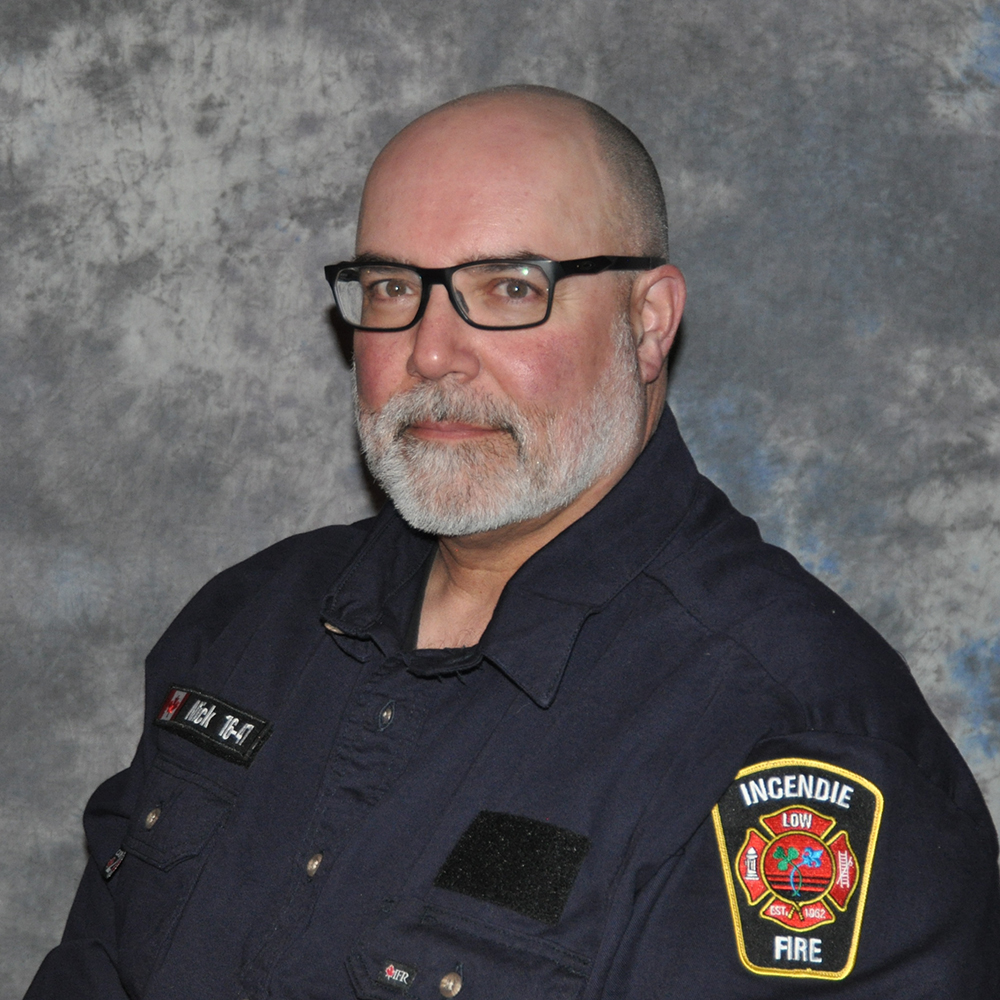
Nicholas Tilgner has dedicated his career to public safety, bringing a uniquely diverse background in emergency response, aviation, medicine, and firearms safety to his work with the Royal Canadian Mounted Police.
He joined the RCMP seven years ago and currently works within the firearms investigative service. In this position, he contributes to ensuring that law enforcement officers and government personnel are equipped to safely manage and respond to complex and emerging threats. His work supports the broader efforts of RCMP experts who provide technical guidance on firearms safety and handling across government operations.
Nicholas’ approach to the role is shaped by a remarkably varied professional background. Before joining the RCMP, he served as a Royal Canadian Air Force Pilot, worked as a paramedic, firefighter, safety instructor, and advanced rescue specialist, and held leadership roles in emergency medicine, including serving as a director of emergency medical services in northern Canada.
These experiences have given him a deep understanding of crisis management and emergency response, as well as the ability to anticipate operational challenges and develop practical solutions in high-pressure environments.
His medical background continues to influence his work today. After joining the RCMP, Nicholas introduced traumatic bleeding intervention training for staff, expanding upon standard first aid training to ensure employees are better prepared to respond to serious injuries. Certified through the American College of Surgeons in traumatic bleeding control, he has helped train colleagues to respond effectively to severe injuries in critical situations.
Within his team, Nicholas values the diversity of experience that each member brings to the workplace. While some colleagues specialize in modern technologies and equipment, he brings a unique perspective rooted in historical knowledge, operational experience, and emergency response. Together, these complementary skill sets allow the team to provide effective guidance on firearms safety
Nicholas is also committed to mentorship and knowledge-sharing. With many members of his team significantly earlier in their careers, he often shares lessons drawn from decades of experience across multiple emergency services professions.
Beyond his operational work, Nicholas is also engaged in broader public policy conversations around emergency response and community resilience. Drawing on his experience as a volunteer first responder in rural communities, he has advocated for new leave provisions that would allow employees in federally regulated industries to respond to local emergencies—such as fires or floods—without risking their employment. The proposal reflects his belief that strong communities depend on the willingness and ability of trained individuals to step forward when disasters occur.
Across his career, Nicholas’ work has been guided by a simple principle: public safety is strengthened when expertise, collaboration, and community service come together. Whether training colleagues, responding to emergencies, or contributing to policy discussions, he continues to bring that commitment to every aspect of his work.

Jodi Tolley currently serves as the only Detachment Services Assistant at the RCMP Detachment in Raymond, Southern Alberta.
In her capacity as a DSA, Jodi is constantly being called upon by other Detachments to help train new employees and fill crucial gaps. As a consequence, she regularly travels long distances from her home detachment on short notice. During the Covid pandemic, Jodi went above and beyond time and again as she sought to support RCMP Detachments across the region adjust to the realities of the pandemic and reduce the risk of exposure while keeping Albertans safe. Further, Jodi stepped up to support the RCMP during the difficult days of the Coutts Border convoy blockade which required an ‘all hands on deck’ approach for a few days. Jodi’s leadership is also evident in her commitment to hosting monthly dinner meetings for her fellow DSAs in Southern Alberta. DSAs in this part of Canada serve many rural and remote locations and, as such, they are often the lone support staff in the office, working in environments that are quite isolated. These networking dinners provide a critical gathering space where this largely female network can discuss issues and everyday concerns that otherwise might go unaddressed.
Most importantly, Jodi always has a sincere smile and a kind word for all those she serves in this key public safety role, even on the most stressful of days. Her dedication and commitment to ensuring that rural detachments in Southern Alberta run smoothly make her an unsung hero who just quietly gets the job done. With people like Jodi Tolley working hard each and every day, the public safety of Canadians is in good hands.

Sean Hickey has dedicated his career to advancing public safety. As a seasoned federal public safety employee, Sean often goes above and beyond as one of just a handful of Parole Officers on the vast Avalon Peninsula in Newfoundland. Equally important, he is also a mainstay within his community and is respected and cherished by his co-workers who see in him a crucial resource for support and guidance.
In his capacity as a federal Parole Officer, Sean also serves as a member of the Criminal Intelligence Service Newfoundland Labrador (CISNL) Committee. To strengthen the Committee’s efficacy, Sean provides daily updates to staff, stakeholders, and third parties on the status of federal offenders and other inmates, gang associations, and potential dangers to public safety, including absconded individuals from the Newfoundland Community Correctional Centre and NL Community Residential Facilities. These contributions go beyond the core duties of a Parole Officer and are often made during Sean’s personal time given the already heavy workload of a federal Parole Officer. Finally, Sean has been recognized for his role in providing crucial peer support during the process of Critical Incident Stress Management (CISMS) debriefs. CISMs are undertaken when there has been a serious threat to the safety of federal public safety personnel, those they are supervising or the general public at large. CISMs reduce the long term risk of a mental health injury among federal public safety personnel.
Given Sean’s history of excellence as a federal Parole Officer, his activism in support of public safety and his leadership in the community, Sean embodies the true spirit of this National Public Safety Award and is a extremely deserving recipient.

Stephanie Dawe has worked in the justice system for over a decade. She initially spent 6 years supporting the operations of Newfoundland and Labrador’s Provincial Court and is now in her 7th year as a Detachment Services Assistant with the Happy Valley-Goose Bay RCMP Detachment in Labrador.
Additionally, Stephanie is the Volunteer President of the Local Ground Search and Rescue Team (GSAR).
GSAR members are on-call 24/7 and are always ‘on the ready’ in the event of a lost or missing person. Labrador’s unforgiving climate and wilderness call for GSAR members like Stephanie to train for many types of rescues – ice rescue, lost snowmobilers, boat rescues and land searches. Stephanie supports the fulfillment of the high training standards that are necessary to ensure that newly formed GSAR teams throughout Labrador are equipped to do their job in the event of an emergency.
As an active participant/volunteer of the local Ground Search and Rescue Team, Stephanie works closely with the relevant members of the RCMP to deploy the GSAR team when required. The local search and rescue team must work in tandem with the RCMP to ensure missing or lost people are returned safely to their families. Stephanie has been involved in many difficult search and rescue missions over the years. Some missions last for days and take place in remarkably hostile conditions.
On top of her direct role in search and rescue missions, Stephanie is also involved in fundraising efforts for the purchase of new equipment for the GSAR team, from making Smile Cookies at Tim Horton’s to securing grants available from various organizations.
Stephanie is also the first candidate in Labrador to be awarded the SARVAC GSAR National Searcher Certification.
Finally, Stephanie has also been a strong mental health advocate for members of the search and rescue team, recognizing that the toll on those actively involved in a search can be extreme and recovering from a difficult mission is not always easy. Stehpanie is also a member of the local Crime Prevention Committee and serves as the Red Cross representative, both of which take countless volunteer hours and unwavering commitment.
In summary, Stephanie’s dedication to the public safety of Labradorians is truly outstanding and knows no bounds. She is the epitome of hard work, enthusiasm and courage and is a very deserving recipient of this National Public Safety Award.

Wayne has been the Public Safety Canada (PS) liaison officer to Emergency Management and Climate Readiness (EMCR) British-Columbia in the Provincial Emergency Coordination Centre throughout his 20 years with Public Safety. He has ensured the transmission of crucial ‘situational information’ to all federal departments and the Government Operations Centre during several disasters. In particular, Wayne was instrumental in facilitating the deployment of federal resources in BC and Yukon for the floods of 2007, the floods and wildfires of 2017 & 2018, during the Covid-19 pandemic, as well as the unprecedented atmospheric river of 2021 and the historic wildfires of 2021 and 2023.
Wayne has also been key in contributing to a diversity of emergency preparedness exercises, including TRANSGUARD 1 in 2008/9 as part of the 2010 Olympics exercise program, the Canadian Coast Guard’s Exercise Salish Sea, and Operation NANOOK-TATIGIIT in the Yukon. He also played a pivotal role in the design and delivery of the national priority Exercise Coastal Response 2023 designed to practice response to an earthquake. He worked with EMCR and Government Operations Centre Exercise Program to plan the federal component of that exercise.
Further, Wayne has mentored and trained his colleagues on various aspects of emergency management. He created the “Emergency Preparedness Workshop” for all federal employees. He also wrote the Public Safety Pacific Region Emergency Management Concept of Operations and the Federal Coordination Centre Standard Operating Procedures (SOPs). These tools have become the foundation for Public Safety’s emergency response to floods, fires, atmospheric rivers, marine pollution events, and a multitude of emergency situations.
Additionally, Wayne has chaired the Pacific Federal Coordination Working Group, transforming this group from a simple information sharing forum into an operational readiness working group by creating training, planning, and exercising sub-committees.
Wayne’s deep knowledge of emergency preparedness is, in part, derived from his own experience while deployed to assist his PS associates in the Prairie Region. In 2019, Wayne was redeployed from a wildfire exercise in the Yukon to assist the Alberta Regional Office during the devastating wildfire season that year. Wayne was also previously deployed to support the Manitoba Regional Office responding to the destructive flooding in 2014.
Being stationed near the provincial emergency coordination center, Wayne is often the first federal employee to arrive on-site to represent all federal government emergency management agencies and support provincial response efforts.
It goes without saying that British-Columbia and the Pacific region are immensely safer on account of Wayne Hirlehey’s expertise in emergency preparedness, firsthand contributions and dedication to the field.

Thomas Eischen is from Little Grand Rapids First Nation in Manitoba. He has worked for the federal Correctional Service (Community) in Winnipeg for 20 years and has served various positions in the Service, assisting federal offenders and parolees who are reintegrating back into the community.
Thomas has worked with a variety of Indigenous communities and organizations, particularly in partnerships through special funding agreements. Thomas is strongly committed to improving the Service by making it more efficient, inclusive and better adapted to the needs and expectations of Indigenous peoples.
Thomas has also actively worked with a number of Indigenous communities to facilitate the reintegration of federal offenders. As a native speaker of Ojibway, Thomas’ use of the language has had an overwhelmingly positive impact on his capacity to build relationships and support rehabilitative outcomes of hundreds of Indigenous individuals. His knowledge of Anishinabe and Cree cultural norms not only instills trust, it also elicits great respect from his colleagues who admire Thomas’ knowledge, respect and commitment to honouring Indigenous cultures.
Thomas has collaborated with a range of justice committees to help streamline resources and better identify the needs of Indigenous offenders. Thomas is steadfast in ensuring that individuals who come into contact with the federal Correctional Service have access to crucial resources to support their reintegration and become respected members of the community.

Una Gair currently works as a federal Correctional Program Officer, a role at which she excels within the Correctional Service. She has spent most of her career working with violent offenders and sex offenders, both male and female. As a widely respected and seasoned public safety professional, Una was selected to contribute to the oversight of the Correctional Service’s Structured Intervention Units, both regionally and nationally.
Over the course of a decade, Una has demonstrated a strong commitment to supporting public safety outcomes and undertaking her work with much compassion and integrity. She contributes to the well-being of individuals under her supervision but also plays a vital role in enhancing the overall effectiveness of offender rehabilitation programs and enhancing public safety.
Una’s proactive approach has led to the apprehension of a number of offenders who had gone unlawfully at large.
Furthermore, through the course of her career, Una has played a pivotal role in creating a work environment that is both positive and impactful, greatly enhancing her colleagues’ capacity to carry out their roles in public safety and justice. As a Joint Learning Program trainer, she has delivered leading edge training across various government departments on topics including the creation of respectful workplaces, and the prevention of harassment and violence.
Una’s work as a ,ental health trainer, including as a member of the Critical Incident Stress Management team within the Correctional Service of Canada in BC , further highlights her commitment to improving workplace mental health. Her guidance and mentorship have made her a go-to person who willingly shares her knowledge and insights with staff who are undertaking interventions and supervision within the CSC as well as a wide variety of justice partners.
Additionally, Una has dedicated over a decade to actively working with a broad range of First Nations and First Nations organizations in Western Canada, developing social justice infrastructure projects that have had a profound impact on public safety and justice in these communities. Her passion, commitment and capacity to elicit tangible results in this area have been recognized with the prestigious Arctic Inspiration Award won by the House of Wolf and Associates.
Finally, on behalf of USJE, Una identified a critical gap in a key piece of federal legislation, the Government Employees Compensation Act (GECA), which oversees access to workers’ compensation benefits for federal public safety personnel. She was instrumental in creating a definition of ‘Public Safety Personnel’ to be incorporated into the GECA which would ensure that federal public safety personnel have access to workers’ compensation for mental health related injuries, just like first responders in most provinces and territories. Una became a relentless USJE champion for this cause, driving research, contributing to the draft legislation, and engaging Members of Parliament from various parties to build the necessary support for the proposed legislative changes. Her efforts culminated in the introduction of Bill C-357 into Parliament on September 20, 2023, marking a significant opportunity to protect federal public safety personnel who incur mental health injuries in the service of the public safety of Canadians. Through her dedicated work, Una has not only enriched the work environment for her peers, but has also made a significant impact on public safety and justice across Canada.

Pierre-Luc has been with CSC for some fifteen years. He began his career as a parole officer at the Regional Mental Health Centre (RMHC), a specialized psychiatric care unit. He then worked with the regular inmate population at the Archambault Institution. More recently, he has been working exclusively with Aboriginal inmates.
From the outset of his career at the RMHC as a parole officer, Pierre-Luc stood out for his high level of rigor, knowledge, judgment and sensitivity. He quickly became a benchmark and a source of inspiration for his colleagues. In fact, on a number of occasions, he agreed to supervise the work of his colleagues as a middle manager.
In addition to his high level of skill in ensuring the safety of Canadians and the safe reintegration of offenders into society, Pierre-Luc also stands out for his personal qualities, which make him one of the most respected employees at Archambault. His legendary calm and collected temperament, as well as his fair and impartial attitude towards all, contribute to reducing the stress of the employees he works with.

Hamza Al-Baghdadi has worked as a Parole Officer and Parole Officer Supervisor for 20 years at various parole offices including the Toronto West, Ottawa, and Nunavut Area parole offices. Throughout his years of employment, he has been given increased responsibilities with the Correctional Service of Canada through the implementation of projects, programs, and activities at both the regional and national levels. As CSC’s representative in Nunavut, Mr. Al-Baghdadi oversaw the Nunavut Area Parole Office and the successful delivery of CSC’s mandate throughout the territory. During his time in the North, Mr. Al-Baghdadi promoted an increased awareness within CSC of Nunavut’s unique socio-economic position compared to other regions of Canada. He spearheaded a number of programs and initiatives aimed at improving correctional outcomes for Inuit offenders through partnership and collaboration with the Territorial Government, Inuit organizations, and key stakeholders. Mr. Al-Baghdadi’s dedication to his work and to the people of Nunavut is evidenced by his determination to find solutions in one of the most challenging socio-economic/ geographic locations in Canada. Mr. Al-Baghdadi has continually demonstrated a desire to provide Canadians in the North with exceptional service. He is exceedingly engaged with the community and makes a positive impact on the lives of those he works with and the Canadian citizens he serves.

Andréa Pinter has been with the CSC for the past 15 years, working as a psychoeducator at the Regional Mental Health Centre (RMHC), a psychiatric penitentiary where mental health services are provided to inmates with the highest needs from Quebec or elsewhere in Canada. Andréa has done tremendous work on many of these cases. Throughout her career as a psychoeducator, she has had to deal with very complex clinical cases, often with individuals deemed to be the most dangerous of all. Andrea works with inmates on a case-by-case basis. Many of them should be (or should have been) in a psychiatric hospital or a rehabilitation centre, but the justice system decided otherwise by assigning them to the care of the CSC. Andréa Pinter is known for her continued and tireless interventions, her exceptional patience and her dedication. She is helping change lives and reducing the risk of recidivism of special needs individuals once they are released. With her great flexibility and agile mind, Andréa is highly adaptable and helps inmates rebuild a social network by contacting their family and friends, helping the offender’s loved ones understand the rehabilitation plan and treatment. Psychoeducation is widely practised in Quebec, where it became a profession in the late 1950s. It is a fundamental, yet still at times unknown, field of expertise. Psychoeducators support people with adjustment challenges by working with them, their environment and the interaction between the two. They work on the ground in collaboration with other health professionals by supporting the specialists who work with their clients. Only a few psychoeducators work in the federal prison system, all of them at the Archambault Institution, at the Regional Mental Health Centre.

Thomas Clapham served in the Canadian Armed Forces as a Medic from 2005 to 2017. He was deployed to Afghanistan from 2008-2009 and was deployed here at home in support of the 2010 Vancouver Olympics. He retired from the forces at the rank of Sergeant and was awarded the General Campaign Star, Canadian Forces Decoration, and two Commander Commendations for his actions while in service. In 2017, Thomas joined the Royal Canadian Mounted Police as a public servant in the role of Disability Management Advisor, where he provided support and guidance to both members and management in NHQ, National, Ontario and Nunavut Divisions. After a year, Thomas joined USJE as a Local President. In 2020, Thomas became the National Program Manager for the RCMP Support for Operational Stress Injury (SOSI) Program. This is a program designed to provide confidential peer and social support for individuals impacted by Operational Stress Injuries. Thomas is proud to lead an incredible team of coordinators across the country who support others through their own lived experience and capacity to offer empathy, in hopes to build resilience and diminish the stigma surrounding mental health. Thomas has dedicated his career to supporting employees and veterans of the Canadian Armed Forces and RCMP with their recovery, rehabilitation and reintegration efforts following injury or illness. Thomas lives in Ottawa with his spouse Allison and two children, Rory and Clara.

For nearly three decades, Jim Tata has served as a Parole Officer in a variety of community parole offices and federal penitentiaries within the Correctional Service of Canada since November 1994. Jim currently works as a Community Parole Officer, providing service to remote communities in northern Manitoba. With a home base at the Winnipeg Parole Office, Jim provides service and supervision to northern Manitoba First Nation Communities: Bloodvein, Berens River, Poplar River, Pauingassi, Little Grand Rapids, St. Theresa Point, Garden Hill, Wasagamack and Red Sucker Lake. Most of these communities are accessible only by air, and traveling across these communities is only possible by either boat, ATV, snowmobile or helicopter. Jim has put in tremendous work over the years developing relationships with community leadership and resources in order to facilitate safe reintegration of offenders in their home communities. His work in these remote communities has helped to build and maintain relationships with other public safety personnel, such as the RCMP, local Justice Workers and Band Police. It is through these important relationships that these partners have learned about the parole system and have engaged in aspects of offender support and supervision. Jim and his wife Carolyn have two children, Erika and Ian.

Jo-Anne Scharf has over 19 years of experience with Public Safety Canada. Her ongoing commitment to enhancing emergency preparedness and public safety in the Atlantic Region has contributed significantly to keeping Canadians safe. Jo-Anne’s career started, quite literally, in a whirlwind. Juan, a category 2 hurricane, hit the Atlantic region in 2003, three weeks after the start of her employment. Jo-Anne helped design and implement plans and procedures for coordinated responses during emergencies. With a small team, she established Operations and Communications Procedures, outlining roles and responsibilities and practising these in regional exercises and training activities. She took part in departmental task forces and committees to develop key national emergency response documents such as the Federal Emergency Response Plan and the National Emergency Response System. She was one of the two regional representatives to be on the Deputy Minister’s Advisory Committee. She has been a member of the International Emergency Management Group – a group of emergency management directors and managers from six New England states and the four Atlantic provinces, plus Québec, that provides an effective forum for cross-border cooperation. She was instrumental in the development of Regional Operational Reserves (ROR) in close coordination with the Federal Government. During the COVID 19 pandemic, Jo-Anne and her teams worked tirelessly to handle everything from requests for Personal Protective Equipment, ventilators or other supplies, to managing federal requests for travel during periods of heightened restrictions. These tasks were critical to ensure that Canadians were kept safe and as well, that the important supply chain was kept functioning during the pandemic.

Louise Paquet has worked at the RCMP Police Dog Service Training Centre in Innisfail, Alberta since 2009. Throughout her time, Paquet and her colleagues have contributed greatly to this world-class institution and to the creation of a safe and positive environment for the pups in training. Louise is integral to the behavioural development of these very special dogs. Her role in the centre’s complex and comprehensive training program has provided Canada with a remarkable and talented group of service dogs that can adapt to the geographic realities of our country. These exceptional service dogs are trained to detect narcotics, explosives and human remains, and support many other essential policing and public safety activities, such as search and rescue in various emergency scenarios. Furthermore, Louise dedicated more than seven years to ensuring a successful review of the job classification for members like herself at the training centre. This translated into proper recognition and respect for all those who support the sophisticated training provided at the kennels, and underscored the fundamental role of the trainers and the dogs, who are key to keeping Canadians safe. The Innisfail training centre is truly a remarkable institution. Under Louise’s watch, hundreds of puppies have graduated and joined the ranks of the best service dogs in the world. Louise Paquet has two sons and lives on her acreage with three dogs who have all come out of the police dog program.
